
The clearest signs a roof did not survive an Indiana winter are ice-dam stains on top-floor ceilings, heavy granule loss in the gutters, curled shingles along the drip edge and daylight through the attic deck. One of those is usually a repair. Several together usually mean it is time to plan a replacement.
Freeze-thaw cycles pry at shingles all winter, ice dams push water backward under the tabs, and February wind finds every loose nail. When the snow finally goes around Fort Wayne, spring is the right time to read the roof calmly, rather than panic about it.
What do ice dams leave behind?
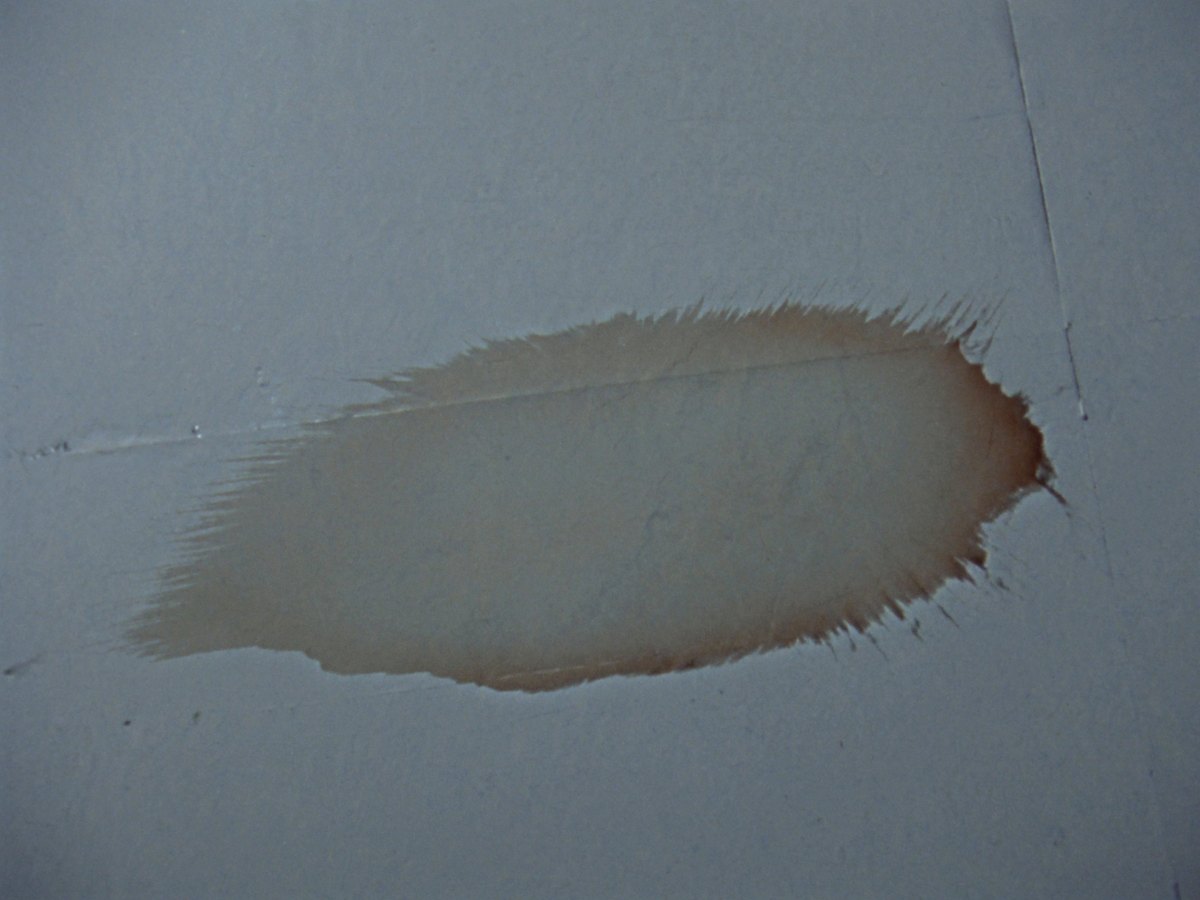
An ice dam forms when heat escapes into a cold attic, melts snow on the roof, and the meltwater refreezes at the cold eaves. Water then backs up under shingles that were never designed to hold water in reverse. Inside, you may see:
- Water stains on top-floor ceilings near exterior walls
- Peeling paint on soffits
- Damp insulation at the eaves
Outside, look for curled shingles along the drip edge and stained fascia. Ice dams are usually as much a ventilation and insulation problem as a shingle problem, so if you fix the stain without fixing the intake and exhaust, you will likely see the same stain next January. If it keeps coming back, it is worth booking a roof inspection.
How much granule loss after freeze-thaw is too much?
Walk the driveway after a hard thaw. A few granules at the downspouts are normal, and always have been, but cups full after every storm are not. Bald patches on the southern slopes cook faster in July, which is how a roof that looked tired in April starts leaking in August.
What other red flags show up in spring?
- Missing or cracked shingles after the wind that rides in on winter fronts
- Soft spots when a professional walks the roof (not something to test yourself on a steep pitch)
- Daylight in the attic through the deck
- A musty attic smell that was not there in October
- Shingle buckling over poor ventilation
- Rusty or loose flashing at chimneys and wall transitions
One item on that list might be a repair. Several together usually mean planning a new asphalt shingle roof before next winter, rather than during the first warm week when every crew in the county is already booked.
Should you repair or replace after a rough winter?
Choose repair when the damage is isolated: a few tabs, one flashing detail, or a small leak you can dry out and patch properly. Start planning a replacement when the roof is near the end of its life, granules are gone across whole planes, or ice-dam damage repeats every year in the same corner.
Angi’s 2026 comparison guide reports asphalt roofs lasting 20 to 25 years, with some reaching 30. If yours is well inside that window and showing only one symptom, a roofing repair is usually the right call, and you can sequence a fix now with a replacement plan later without anyone rushing you.
How can you prevent next winter’s mess?
- Keep gutters clear in late fall, before the first freeze locks debris in place
- Confirm the attic intake and ridge exhaust are actually open, not blocked by insulation
- Fix bathroom and kitchen fans that dump moist air into the attic
- Schedule a fall check while calendars are still open
What attic clues can you check safely?
From the attic floor, never the rafters, look for blackened sheathing, frost marks around nail points and damp insulation at the eaves. Bathroom fans that end in the attic instead of outdoors feed ice dams directly, and fixing that duct is part of a winter-ready roof even when the shingles still look fair from the street.
Daylight at a pipe boot or chimney chase is a flashing problem waiting for the next thaw. A small flashing repair in March costs less than new ceiling drywall in April.
When should you schedule around spring demand?
Every Fort Wayne-area roofer gets busy when the snow melts, and again after the first serious hail week. If your checklist already shows several failures, get on a calendar early. Planning a replacement for late spring beats an emergency dry-in during a May storm by a wide margin, on both price and stress. If you are budgeting, our roof replacement cost guide explains what moves the number.
Is every spring stain a new leak?
Not every April stain is a new winter failure. Condensation from weak ventilation can imitate a leak convincingly, so have the exterior and the attic checked before you authorize a tear-off. Sometimes the fix is baffles, intake vents, a bathroom fan ducted outdoors and a modest repair.
A stain that returns in the same corner after every thaw is a different story, because that is a pattern, and patterns deserve a plan rather than another bucket. Note the date each stain appears; a phone album labeled by date tells the next inspector more than memory will.
Do trees, shade and north slopes change how a roof ages?
North-facing slopes hold snow longer and get less drying sun, and a roof shaded by big maples stays wet longer after every thaw. That microclimate ages shingles differently than the south slope on the very same house, so in spring, compare planes rather than judging from the street.
Trim branches that scour shingles in wind, and keep gutters clear where the eaves sit under heavy canopy. If a shaded plane already needs work, ask whether ventilation upgrades should travel with the repair so next winter is a little kinder to it. And if hail rather than ice is your worry, our hail damage checklist covers that season instead.
FAQ
Are ice dams covered by insurance?
Often, at least in part. Standard homeowners policies generally cover sudden interior water damage caused by an ice dam, while gradual leaks, wear and the cost of removing the ice itself are typically excluded. Policies differ, so check yours and ask your agent before you assume either way.
How long do asphalt roofs last in Indiana?
Angi’s 2026 guide puts asphalt roofs at 20 to 25 years, with some reaching 30. Good ventilation helps, while storms and trapped attic moisture shorten that life.
Can I wait until summer to decide?
An active leak cannot wait. Planning a replacement can wait a few weeks, but do not wait for another winter if the roof is already failing in more than one place.
Does a new roof fix my ice dam problem?
Only if the ventilation and insulation get fixed with it. New shingles over the same warm attic will dam again, so ask for intake and exhaust to be addressed in the same scope.